
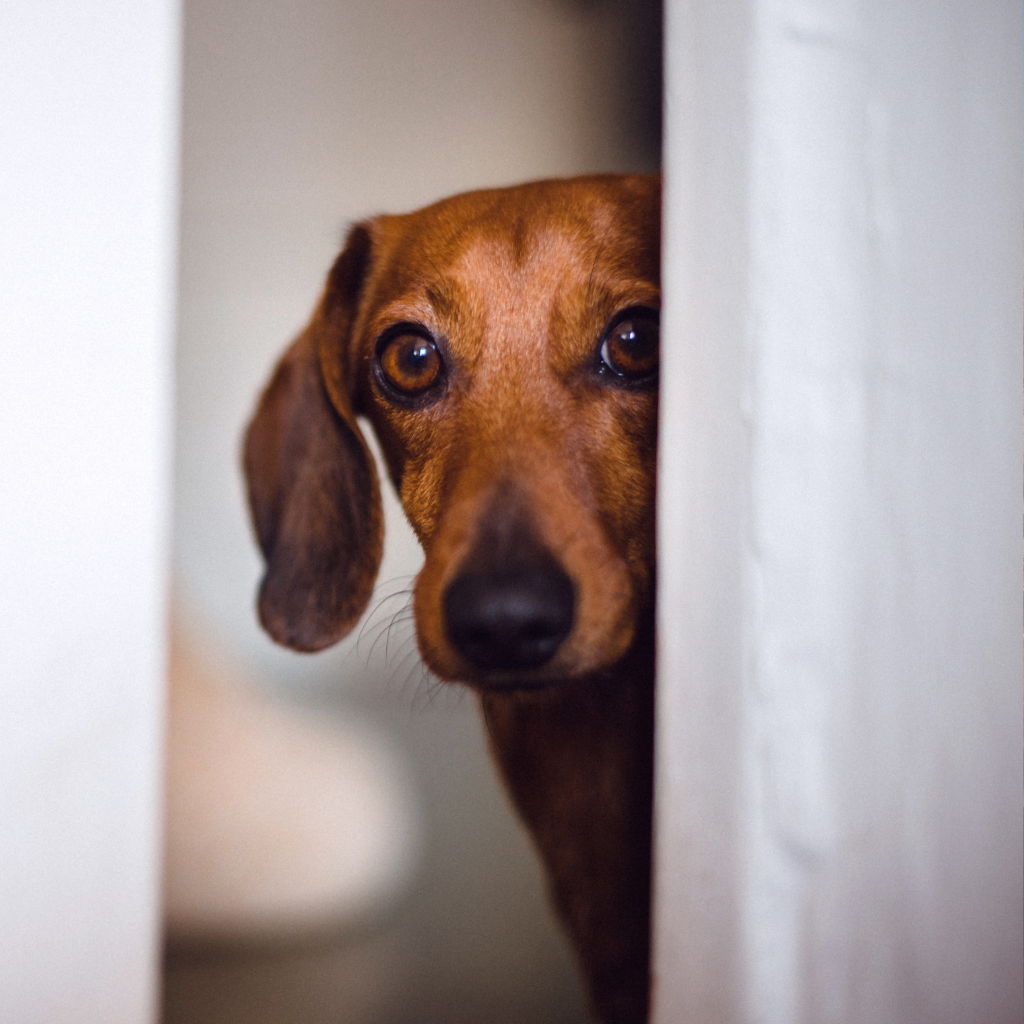
Training an anxious dog can feel like trying to solve a puzzle with missing pieces. You want to help your furry friend feel calm and confident, but sometimes it’s hard to know where to start. I’ve been there, and I understand how overwhelming it can be. The good news? With patience, kindness, and the right approach, you can make a real difference in your dog’s life. Let’s explore some practical training tips that offer gentle support for anxious dogs.
Understanding Anxiety in Dogs: Support for Anxious Dogs
Before diving into training, it’s important to understand what anxiety looks like in dogs. Anxiety can show up in many ways: trembling, pacing, excessive barking, or even hiding. Sometimes, it’s triggered by loud noises, new environments, or separation from their favourite humans. Think of it like when you feel nervous before a big presentation or a first date – your dog’s feelings are just as real.
Recognising these signs early helps you tailor your training to meet your dog’s needs. For example, if your dog gets anxious during car rides, you might start by simply sitting in the car with them, offering treats and praise, before moving on to short drives. This gradual exposure builds trust and reduces fear.
Creating a Safe Space for Your Dog
One of the best things you can do is create a safe, comforting space for your dog. This could be a quiet corner with their bed, favourite toys, and maybe a blanket that smells like you. Dogs often feel calmer when they have a “den” to retreat to.
Try to keep this space consistent and free from loud noises or sudden activity. When your dog retreats here, it’s a sign they’re seeking comfort, so respect that need. You can also use calming aids like pheromone diffusers or soft classical music to enhance the atmosphere.

Gentle Training Techniques That Work
When it comes to training, harsh commands or punishment only increase anxiety. Instead, focus on positive reinforcement. This means rewarding your dog for calm behaviour with treats, praise, or playtime. It’s like giving a gold star for every small step forward.
Start with simple commands like “sit” or “stay” in a low-stress environment. Keep training sessions short – around 5 to 10 minutes – to avoid overwhelming your dog. If your dog shows signs of stress, take a break and try again later.
Consistency is key. Use the same words and gestures every time, so your dog knows what to expect. And remember, patience is your best friend here. Progress might be slow, but every little success counts.
Using Desensitisation and Counter-Conditioning
Two powerful tools in managing anxiety are desensitisation and counter-conditioning. Desensitisation means gradually exposing your dog to the thing that causes anxiety, but at a level they can handle without stress. Counter-conditioning pairs that exposure with something positive, like treats or affection.
For example, if your dog is scared of other dogs, start by watching other dogs from a distance where your dog feels safe. Reward calm behaviour. Over time, slowly decrease the distance. This process helps your dog learn that the scary thing isn’t so bad after all.
It’s a bit like dipping your toes into cold water instead of jumping in all at once. Slow and steady wins the race.
The Role of Exercise and Mental Stimulation
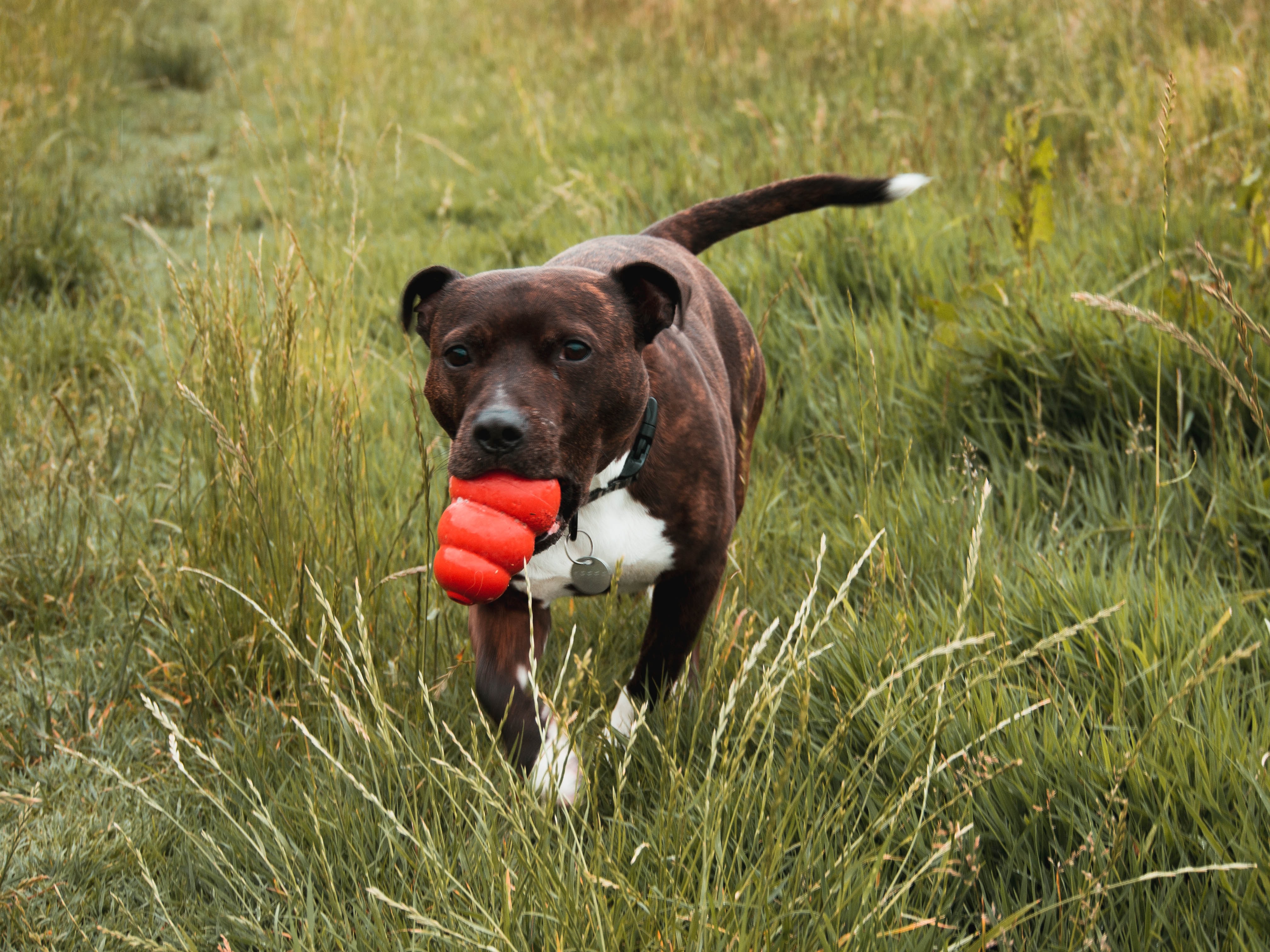
Exercise isn’t just good for your dog’s body – it’s a fantastic way to ease anxiety too. Regular walks, play sessions, and even puzzle toys can help burn off nervous energy and keep your dog’s mind busy.
Try to tailor activities to your dog’s personality. Some dogs love chasing balls, while others prefer sniffing around on a gentle walk. Mental challenges like treat-dispensing toys or simple obedience games can also build confidence and reduce stress.
Remember, a tired dog is often a calmer dog. But don’t overdo it – balance is important to avoid adding physical stress.
When to Seek Professional Help
Sometimes, despite your best efforts, anxiety can feel too big to handle alone. That’s perfectly okay. Professional trainers and behaviourists have the experience and tools to help dogs with more severe anxiety.
If you’re looking for expert guidance, consider reaching out to local trainers who specialise in gentle, science-based methods. They can create a personalised plan that fits your dog’s unique needs.
For those interested, dog training for anxious dogs offers tailored support that can make a huge difference. Remember, asking for help is a sign of strength, not failure.
Building a Strong Bond Through Trust and Patience
At the heart of all this is your relationship with your dog. Anxiety can strain that bond, but it can also be an opportunity to deepen it. Every calm moment, every successful training session, builds trust.
Speak softly, move slowly, and celebrate every small victory. Your dog is learning that the world is a safer place with you by their side. And that’s a wonderful gift.
Training anxious dogs isn’t about perfection – it’s about progress, kindness, and love. With the right support and approach, you and your dog can enjoy many happy, peaceful days together.
Ready to see real change in your dog?
Book a free 15-minute call – no commitment, just a conversation about your dog.
No spam. No mailing lists. Just a callback regarding your dog. We respect your privacy and never share your details. You should hear back from us within 24 hours.