
Understanding Breed Impact on Puppy Socialisation
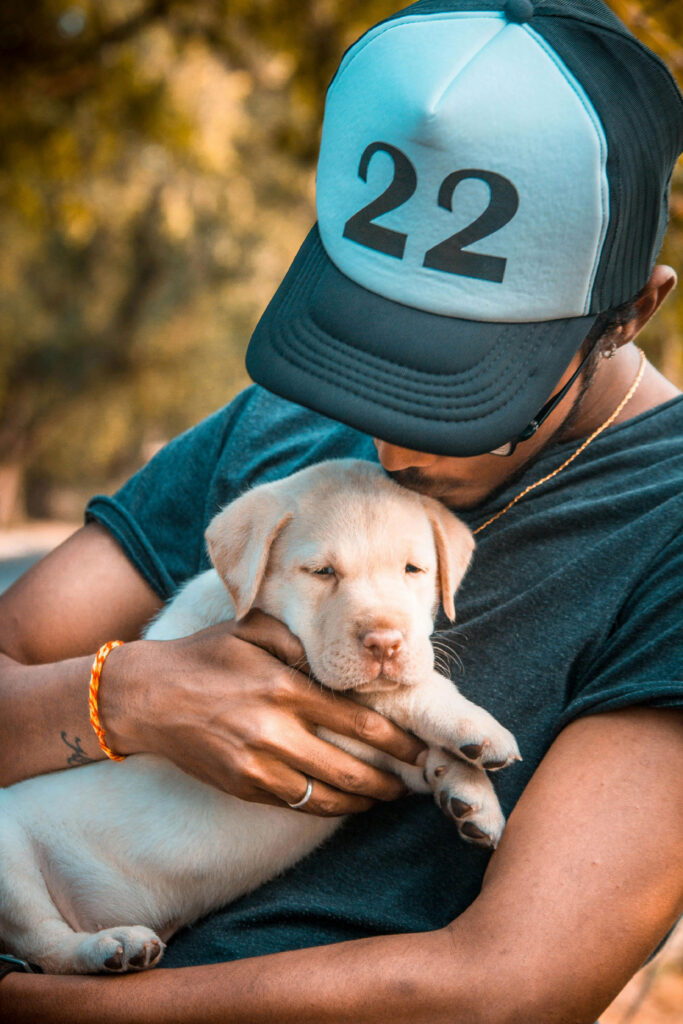
Puppy socialisation is not just about meeting other dogs. It’s about building a foundation for a well-behaved companion. Each dog breed was developed for specific tasks, which greatly influence their behavior, temperament, and socialisation requirements. For instance, breeds like Golden Retrievers were bred for companionship and retrieving game, making them generally friendly and eager to please. In contrast, breeds like German Shepherds were developed for guarding and herding, which can lead to more protective and cautious behavior around strangers.
The Impact of Breed on Puppy Socialisation
Companion Breeds (e.g., Golden Retrievers, Labrador Retrievers)
Companion breeds typically thrive on human interaction and are often very sociable. Their natural inclination to engage with people means that their socialisation should focus on teaching them to manage their excitement and maintain focus on their owners around other animals and people.
Socialisation Tips:
Encourage calm interactions with people and other dogs.
Guardian Breeds (e.g., German Shepherds, Rottweilers)
Guardian breeds tend to be more protective and may exhibit wariness towards strangers. Their socialisation should emphasize positive interactions with both people and other dogs to prevent fearfulness or aggression.
Introduce them to a variety of people and environments from a young age.
Herding Breeds (e.g., Border Collies, Australian Shepherds)
Herding breeds are often intelligent and energetic, requiring socialisation that channels their instincts positively. They may exhibit herding behaviors towards cars, children, or other pets if not properly socialised.
Provide structured playtime with other dogs to teach boundaries. Often herding dogs like to control the movement of other dogs, so will stop play and become unhappy if dogs play with other dogs where they aren’t involved. Teaching them to play, using older and slower dogs, can be helpful.
Terrier Breeds (e.g., Jack Russell Terriers, Bull Terriers)
Terriers are known for their tenacity and high energy levels. Their socialisation should focus on teaching impulse control, as they can be prone to reacting strongly to other animals and situations.
Use controlled environments to introduce them to new experiences gradually.
Tailoring Socialisation Strategies
When socialising a puppy, it is essential to consider its breed characteristics and tailor the approach accordingly.
Here are some general strategies to keep in mind:
Start Early: Begin socialisation as soon as possible, ideally during the critical socialisation period (around 3 to 14 weeks of age). If your puppy is not yet vaccinated, taking them out in the car and allowing them to see the world works well, as does carrying the puppy (provided they are not too heavy).
Building a Strong Bond Through Socialisation
Socialisation is not just about exposing your puppy to different environments; it’s about building a strong bond. By engaging with your puppy in various settings, you reinforce trust and communication. This bond is crucial for effective training and a happy, well-adjusted dog.
The Long-Term Benefits of Proper Socialisation
Investing time in socialising your puppy pays off in the long run. A well-socialised dog is more likely to be confident, less anxious, and better behaved. This means fewer behavioral issues down the line, leading to a more harmonious household.
Conclusion
The impact of breed on puppy socialisation is profound and should not be underestimated. By understanding the unique characteristics and historical purposes of different breeds, owners can tailor their socialisation efforts to meet the specific needs of their puppies. Whether focusing on impulse control for a terrier or fostering calm interactions for a retriever, effective socialisation is key to raising a well-adjusted, confident dog.
Remember, every puppy is unique. Embrace the journey of socialisation, and enjoy the wonderful moments you share with your furry friend. Together, you can build a strong, positive relationship that will last a lifetime.
If you’re based in Cork and want hands-on guidance, explore:
• Puppy Training Classes
• Obedience Training
• Behaviour Consultations
Ready to see real change in your dog?
Book a free 15-minute call – no commitment, just a conversation about your dog.
No spam. No mailing lists. Just a callback regarding your dog. We respect your privacy and never share your details. You should hear back from us within 24 hours.