
My Dog Won’t Settle at Home — What Am I Doing Wrong? 🐕💭
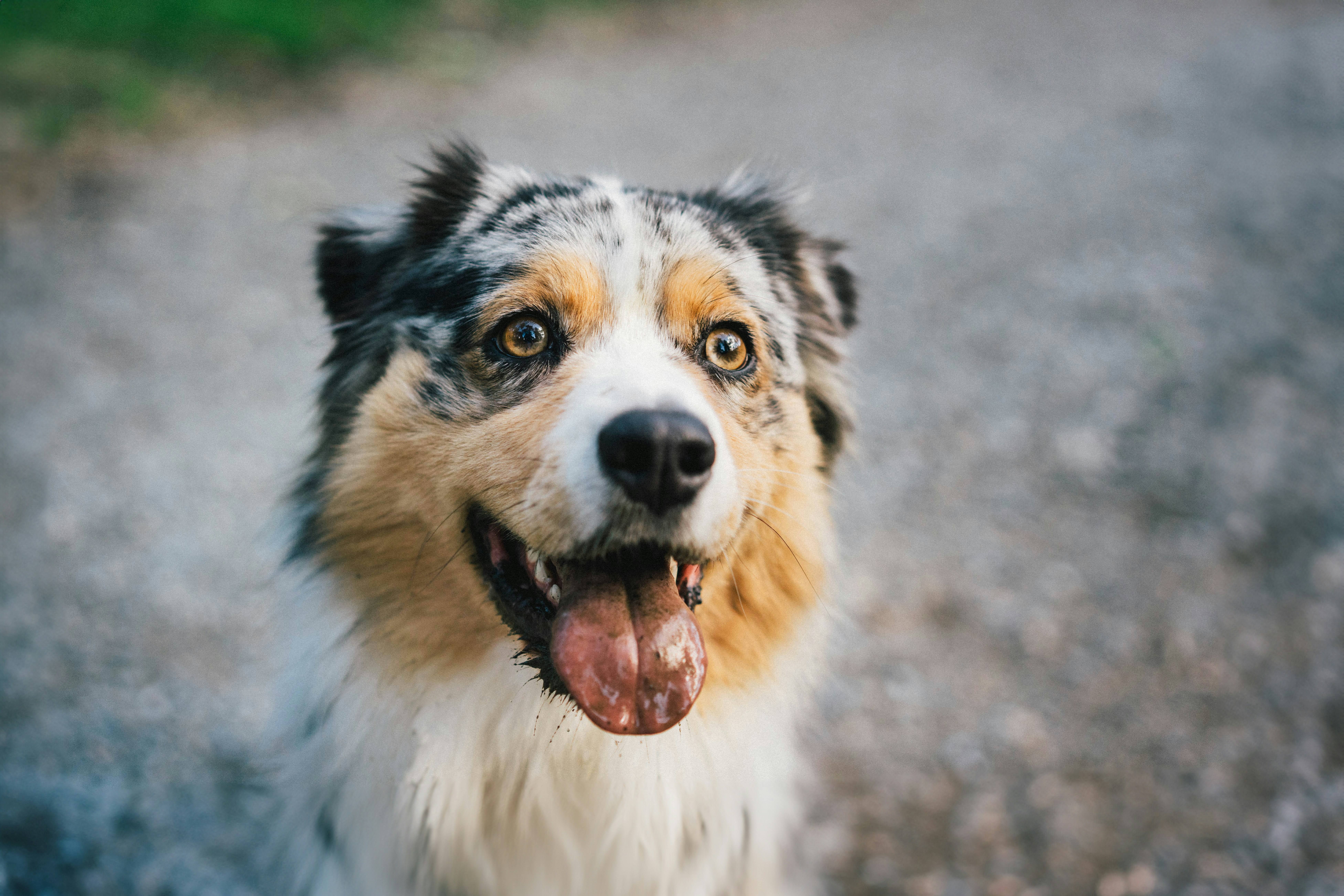
Your dog gets plenty of walks.They have toys. You play with them.
And yet… they won’t switch off.
If your dog paces, follows you constantly, demands attention, or seems permanently “on”, you’re not alone.
In most cases, a dog who can’t settle at home isn’t under-exercised. They’re overstimulated, overtired, or unsure how to relax.
Let’s unpack what’s really going on.
What Does “Not Settling” Actually Look Like?
Owners often describe:
Pacing or shadowing them room to room
These behaviours are stressful — for dogs and owners.
Why Exercise Alone Isn’t Fixing It
A very common belief is:”If I just walk them more, they will relax.”
But for many dogs, more exercise simply:
Raises their stamina
You end up with a fitter dog who still doesn’t know how to rest.
The Real Reasons Dogs Struggle to Settle
1. Overstimulation (The Big One)
Busy walks, lots of play, visitors, training sessions, and enrichment stacked together can overload a dog’s nervous system and actually teach them to be ‘always on’.
Overstimulated dogs can’t calm themselves — even when they’re exhausted.
2. No One Ever Taught Them How to Relax
Calmness isn’t always automatic. It’s a learned skill.
Many dogs grow up being constantly engaged:
Someone always interacting
They never practise doing nothing, and they lean on demand behaviours to avoid boredom
3. Inconsistent Routines
Dogs feel safest when life is predictable.
Irregular schedules can make dogs:
Restless
Routine supports relaxation.
4. Unclear Boundaries
Dogs who are allowed to demand attention — even occasionally — will keep trying.
This doesn’t mean ignoring your dog. It means teaching them what does work.
5. Stress or Anxiety
Some dogs can’t settle because they don’t feel safe enough to switch off.
This may show up as:
Constant monitoring of the environment
These dogs need support, not more activity.
5. Breeding and Genetics
High-energy working dogs like Collies and Spaniels are more likely to struggle to turn off
Dogs like this have been bred to:
Constantly interact with their owners
Understanding your dog’s genetics can help you to know what to expect.
Breed-specific activities can also help your dog relax more as their needs are more adequately met.
Examples of this are scent games for retrievers and tug games for Bully breeds.
What Actually Helps Dogs Learn to Settle
✔ Less Stimulation, Not More
Reduce:
Constant play
Downtime matters.
✔ Calm Enrichment
Use activities that promote relaxation:
Kongs
These help dogs downshift naturally.
✔ Predictable Rest Periods
Schedule rest, especially after walks or training.
Dogs don’t always choose rest — they often need help finding it.
✔ Reward Calm Behaviour
If your dog lies down quietly:
Softly praise
You’re reinforcing the behaviour you want more of.
✔ Teach “Off Switch” Skills
Settling on a mat,, teaching stay, learning to disengage from play, and practising doing nothing are all trainable skills.
Common Mistakes That Make It Worse
🚫 Entertaining the dog every time they’re restless
🚫 Increasing exercise endlessly
🚫 Feeling guilty about encouraging rest
🚫 Expecting calm without teaching it
You’re not lazy for wanting a calm dog — it’s a welfare need.
When to Get Help
If your dog:
Cannot relax even after rest
…it’s time for support.
How Planet Pup Can Help 💚🐾
At Planet Pup, we help dogs learn how to relax — not by shutting them down, but by teaching skills that make calm behaviour possible.
We look at:
Your dog’s routine
And we create a plan that works for your dog and your life.
Final Thought
A dog who can’t settle isn’t being bold or demanding — they’re struggling.
With the right guidance, calm behaviour can be taught. If you’re feeling stuck, get in touch with Planet Pup. We’re here to help 💚🐕
Ready to see real change in your dog?
Book a free 15-minute call – no commitment, just a conversation about your dog.
No spam. No mailing lists. Just a callback regarding your dog. We respect your privacy and never share your details. You should hear back from us within 24 hours.