
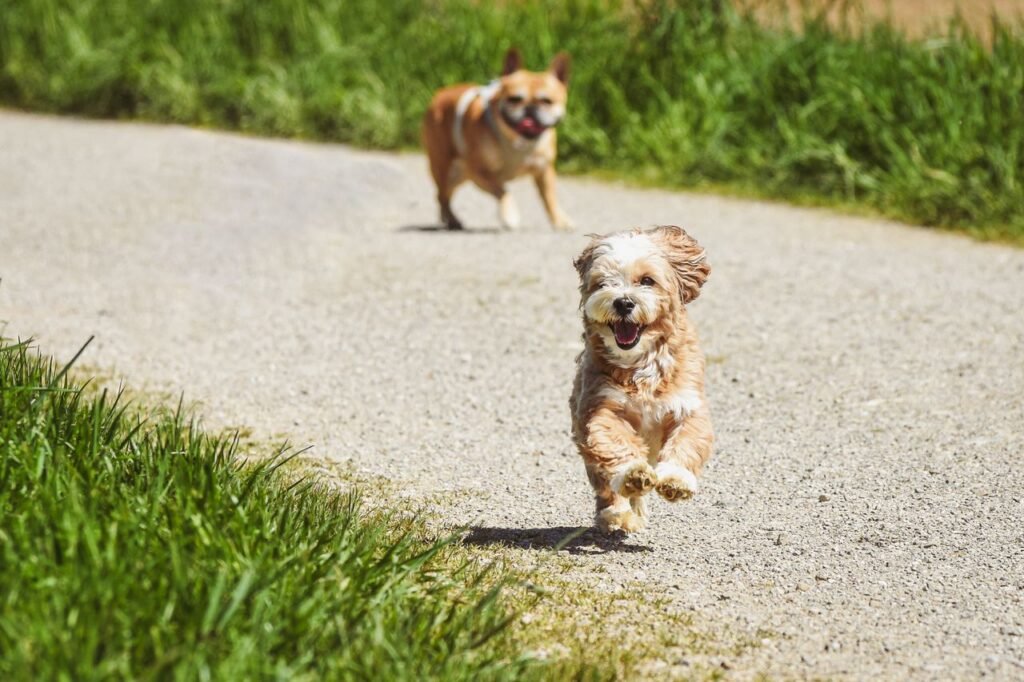
Your dog sits, lies down, and comes when called at home.
Then you step outside… and it’s like you don’t exist.
If your dog suddenly ignores cues on walks or in new places, they’re not being stubborn, cheeky, or defiant. This is one of the most common training challenges dog owners face — and it has very real, fixable reasons.
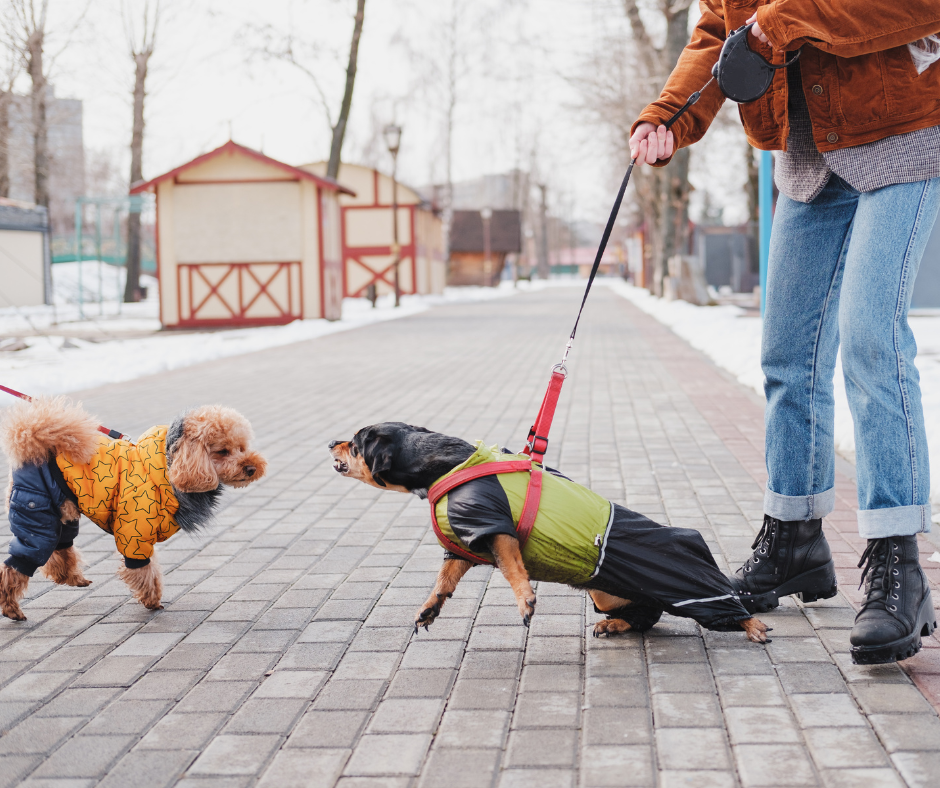
First: Your Dog Isn’t Ignoring You on Purpose
Dogs don’t generalise well. That means:
- A cue learned in the kitchen
- Is not automatically understood in the park, on the street, or at the beach
From your dog’s point of view, those are completely different situations.
Why Training Falls Apart Outside
1. Distractions Change Everything
Outside is full of:
- Smells
- Sounds
- People
- Dogs
- Movement
Your dog’s brain is processing far more information than it ever does at home. Even well-trained dogs can struggle when the environment becomes overwhelming.
2. Cues Haven’t Been Proofed
Many dogs learn cues:
- In one location
- With no distractions
- At close range
That doesn’t mean they understand the cue everywhere.
Training needs to be gradually practised in different environments to stick.
3. Overstimulation Shuts Learning Down
When dogs are overstimulated:
- Impulse control drops
- Listening becomes impossible
- Survival instincts take over
An overstimulated dog physically cannot respond the way they do at home.
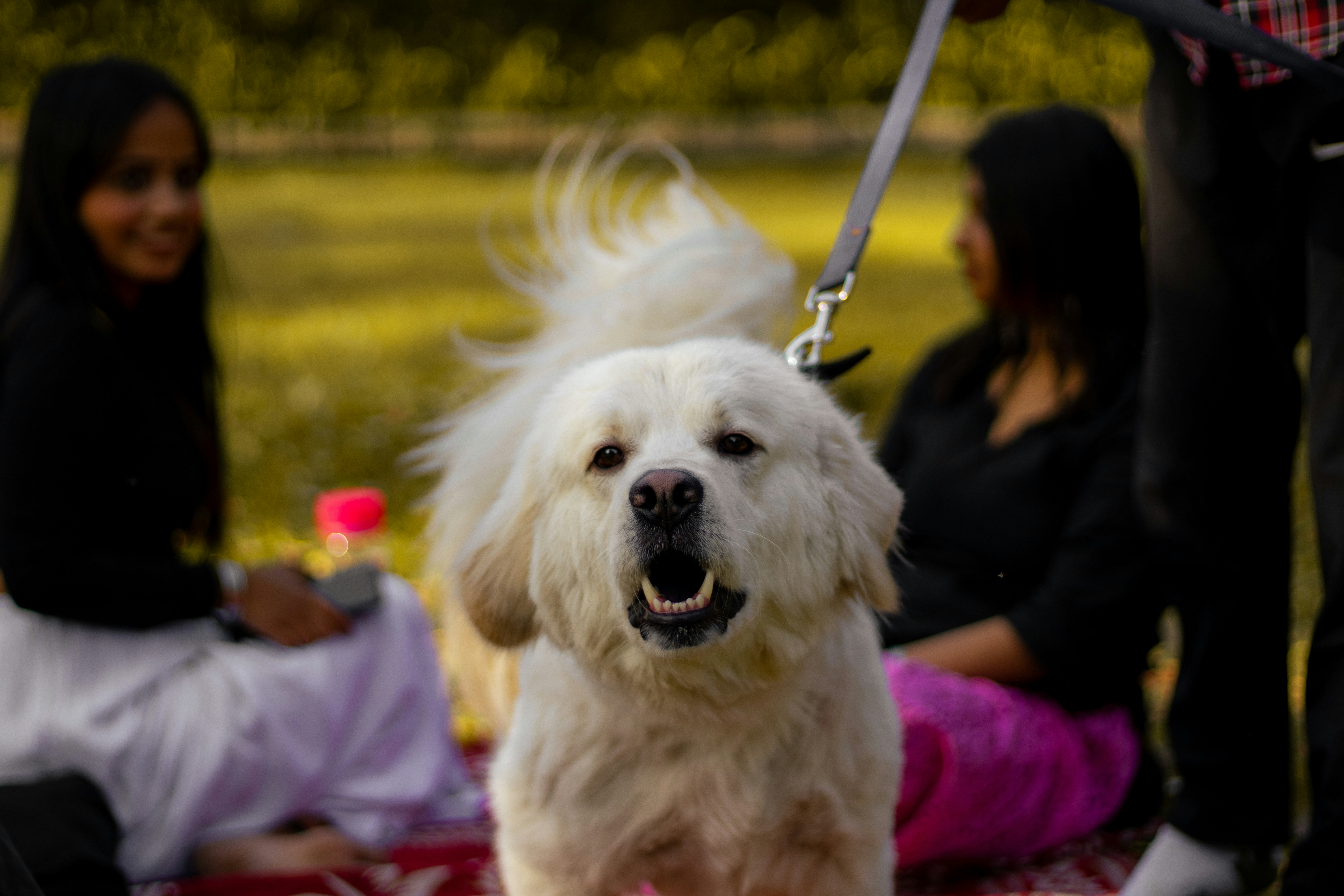
4. Rewards Outside Aren’t Competing
At home, your dog’s biggest reward might be food or attention.
Outside? The environment itself is the reward.
If food or praise doesn’t compete with sniffing, chasing, or watching the world, your dog will choose the environment every time.
5. Emotional State Matters
Dogs who feel:
- Anxious
- Over-aroused
- Excited
- Unsure
will struggle to respond, even if they “know” the cue.
This is especially common in adolescent dogs.
What Doesn’t Help
🚫 Repeating cues louder
🚫 Getting frustrated
🚫 Assuming the dog is being stubborn
🚫 Skipping training altogether
These responses increase stress and reduce reliability.
What Does Help Dogs Listen Outside
✔ Lower the Difficulty and Distractions
Start:
- Closer to home
- In quieter areas
- With fewer distractions
Success builds reliability.
Start training inside your home, than in your garden, then just outside in the street.
Build distractions slowly.
✔ Use Distance, Not Force
If your dog can’t respond:
- Increase distance from distractions
- Don’t push through
If they dont respond, they are telling you that they are overwhelmed.
Distance works best to help them calm down again and think clearly again.
Training works best under threshold.
✔ Make Rewards Worthwhile
Outside rewards often need to be:
- Higher value
- Delivered quickly
- Used generously
This doesn’t mean bribing — it means reinforcing effectively.
✔ Focus on Engagement, Not Perfection
Outside training should prioritise:
- Checking in
- Voluntary attention
- Loose lead moments
Perfect obedience comes later.
✔ Teach Skills Specifically for Walks
Loose lead walking, disengagement, and recovery after excitement are separate skills that need to be taught — not assumed.
A Note on Adolescents
If your dog is in the teenage phase, this is especially normal.
Adolescent dogs:
- Are more sensitive to the environment
- Struggle with impulse control
- Experience training “regression”
This phase passes — with the right support.
When to Get Help
You should seek professional help if:
- Walks are stressful or unenjoyable
- Your dog pulls, lunges, or reacts
- You feel embarrassed or frustrated
- You’ve “tried everything”
Early support makes outdoor training far easier.
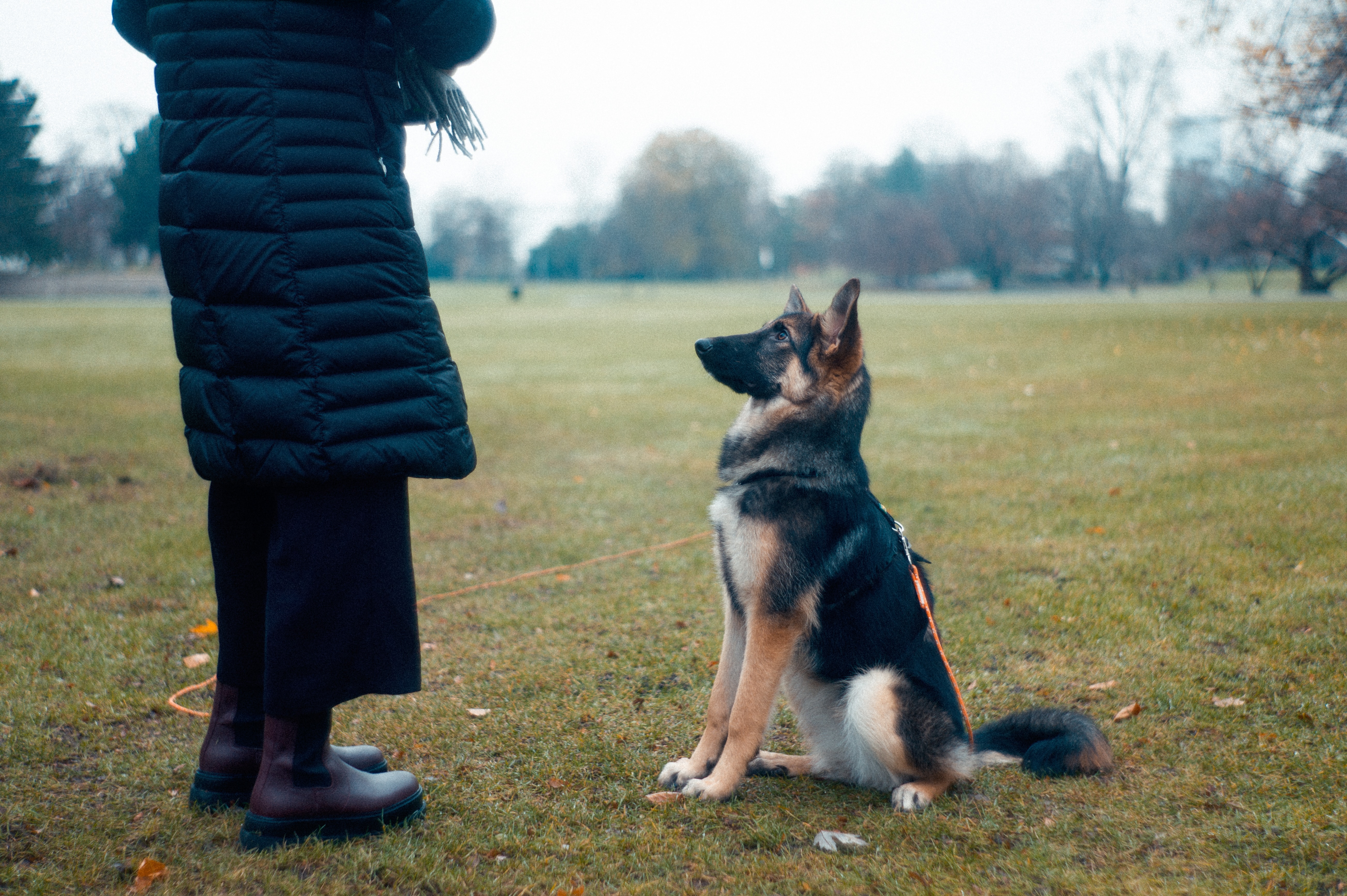
How Planet Pup Can Help 💚🐾
At Planet Pup, we help dogs learn to listen in the real world, not just the living room.
We focus on:
- Building engagement outside
- Managing overstimulation
- Teaching practical walk skills
- Supporting both dog and owner
Training should make life easier — not more stressful.
Final Thought
If your dog listens at home but not outside, it doesn’t mean training has failed. It means your dog needs help transferring skills into a harder environment.
If walks are a struggle, get in touch with Planet Pup. We’re here to help you enjoy life with your dog again 💚🐕
Ready to see real change in your dog?
Book a free 15-minute call – no commitment, just a conversation about your dog.
No spam. No mailing lists. Just a callback regarding your dog. We respect your privacy and never share your details. You should hear back from us within 24 hours.