
4 Proven Reasons Why Your Dog Pulls & How To Teach Loose Lead Walking Without Force or Frustration
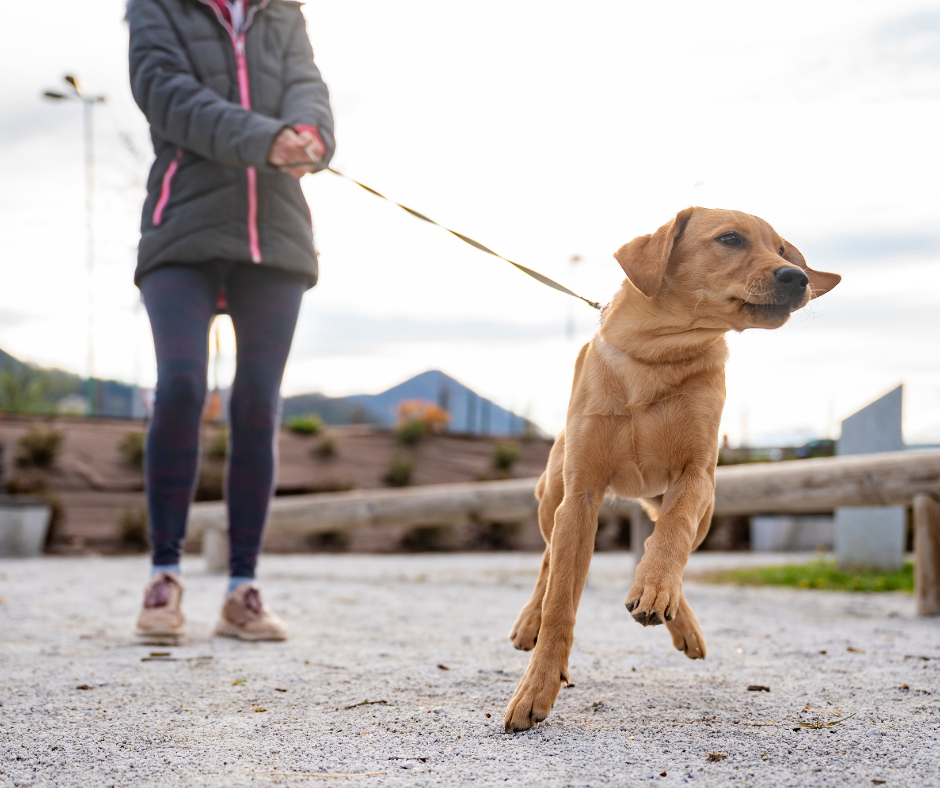
If walks feel like a constant battle — pulling, stopping, zig-zagging, or frustration at the end of the lead — you’re not alone.
Loose lead walking is one of the most common reasons people contact a dog trainer. And despite what you may have been told, pulling isn’t about dominance, stubbornness, or a lack of respect.
Most dogs pull because they’re excited, overwhelmed, or simply haven’t been taught how to walk calmly on a lead.
Why Dogs Pull on the Lead
1. Walking Is Overstimulating
The outside world is full of smells, movement, people, and dogs. Many dogs pull because their nervous system is already close to overload.
2. Pulling Works
Dogs pull because it gets them where they want to go. If pulling sometimes leads to sniffing, greeting, or moving forward, the behaviour is being reinforced — even if you’re frustrated.
3. Loose Lead Walking Isn’t Natural
Dogs naturally walk faster than humans and stop to sniff frequently. Expecting a dog to walk politely beside you without training is unrealistic.
4. Frustration Builds at the Lead
Being restrained can be frustrating, especially for dogs who:
- Want to greet others
- Are sensitive or anxious
- Are adolescents
That frustration often shows up as pulling.
Why Force-Based Methods Backfire
Tools or techniques that rely on discomfort may:
- Suppress behaviour temporarily
- Increase stress and frustration
- Damage trust
- Create new issues like reactivity
Loose lead walking should be comfortable and calm, not a power struggle.
What Actually Helps Loose Lead Walking
Lower Arousal Before the Walk
A calm start matters. If your dog leaves the house already overexcited, the walk will be harder.
Allow Sniffing
Sniffing is calming and mentally satisfying. Walks aren’t just about distance — they’re about decompression. Spend some time on the walk purposefully allowing your dog to sniff.
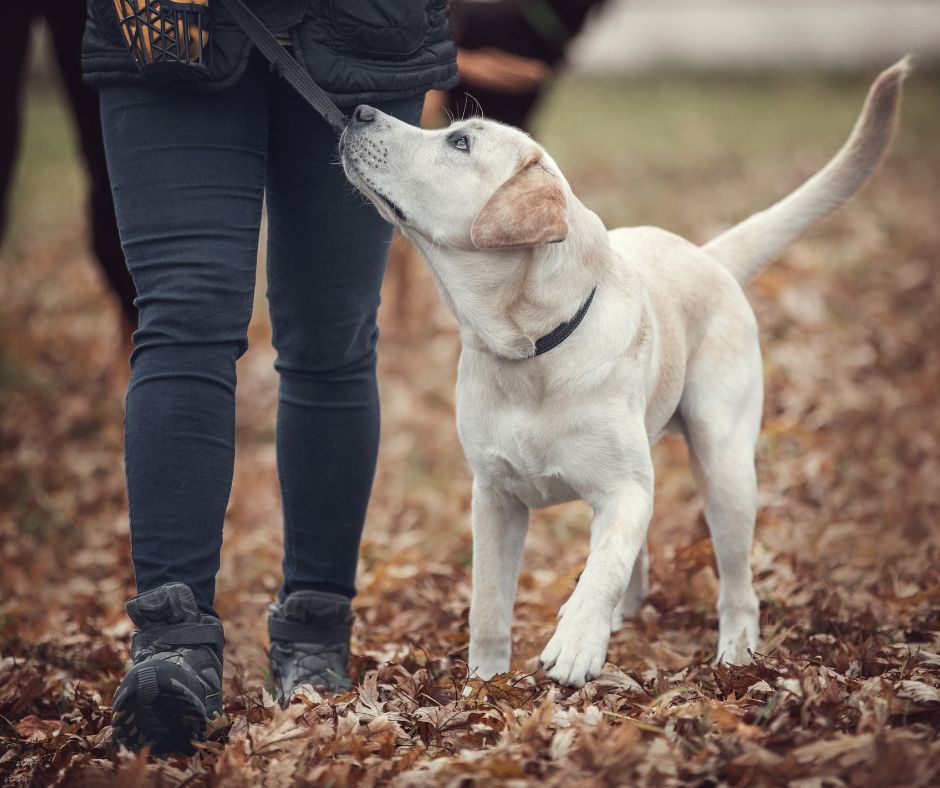
Reinforce What You Like
Reward:
- A loose lead
- Checking in
- Walking beside you voluntarily
Dogs repeat what works.
Manage the Environment
Choose quieter routes and increase distance from triggers when needed. Training works best under threshold.
Practise Short, Successful Walks
Long, stressful walks don’t help. Short, positive experiences build skills faster.
Teach Walking Skills Gradually
Loose lead walking is built through:
- Engagement
- Attention
- Practice in low-distraction areas
- Gradual exposure to busier environments
Common Mistakes That Increase Pulling
- Expecting perfection immediately
- Walking longer instead of calmer
- Correcting without teaching
- Ignoring emotional state
Pulling is information — not defiance.
A Note on Equipment
No piece of equipment teaches loose lead walking on its own. The right setup can help support training, but skills still need to be taught.
How Long Does Loose Lead Walking Take?
Loose lead walking is a skill that takes time to develop. Some dogs will improve quickly, while others need weeks or months of consistent practice, particularly if they are highly excitable, anxious, reactive, or have spent a long time rehearsing pulling.
Rather than expecting your dog to walk perfectly for an entire walk, start by rewarding small moments of success. A few steps on a loose lead, a voluntary check-in, or choosing to walk beside you are all opportunities to reinforce.
Remember that a successful walk doesn’t necessarily mean walking for miles without your dog pulling. Sometimes the best training session is a short walk where your dog stays calm, sniffs, checks in with you and finishes relaxed.
Consistency matters more than perfection. The more opportunities your dog has to practise calm walking and be rewarded for it, the more naturally those behaviours will develop.
When to Get Help With Loose Lead Walking
Consider professional support if:
- Walks are stressful or unenjoyable
- Pulling is getting worse
- Your dog lunges or reacts
- You feel embarrassed or frustrated
Early help prevents walks becoming a daily battle.
How Planet Pup Can Help
At Planet Pup, we teach loose lead walking by:
- Reducing overstimulation
- Building calm engagement
- Teaching real-world skills
- Supporting both dog and owner
No force. No frustration. Just practical, kind training that works.
Final Thought
Loose lead walking isn’t about control — it’s about communication. With the right approach, walks can become calm, enjoyable time together. If walking your dog feels overwhelming, get in touch with Planet Pup — we’re here to help.
Ready to see real change in your dog?
Book a free 15-minute call – no commitment, just a conversation about your dog.
No spam. No mailing lists. Just a callback regarding your dog. We respect your privacy and never share your details. You should hear back from us within 24 hours.