
Dog Training – Leash Reactivity
Lead Reactivity Help in Cork
Lead Reactivity Help in Cork
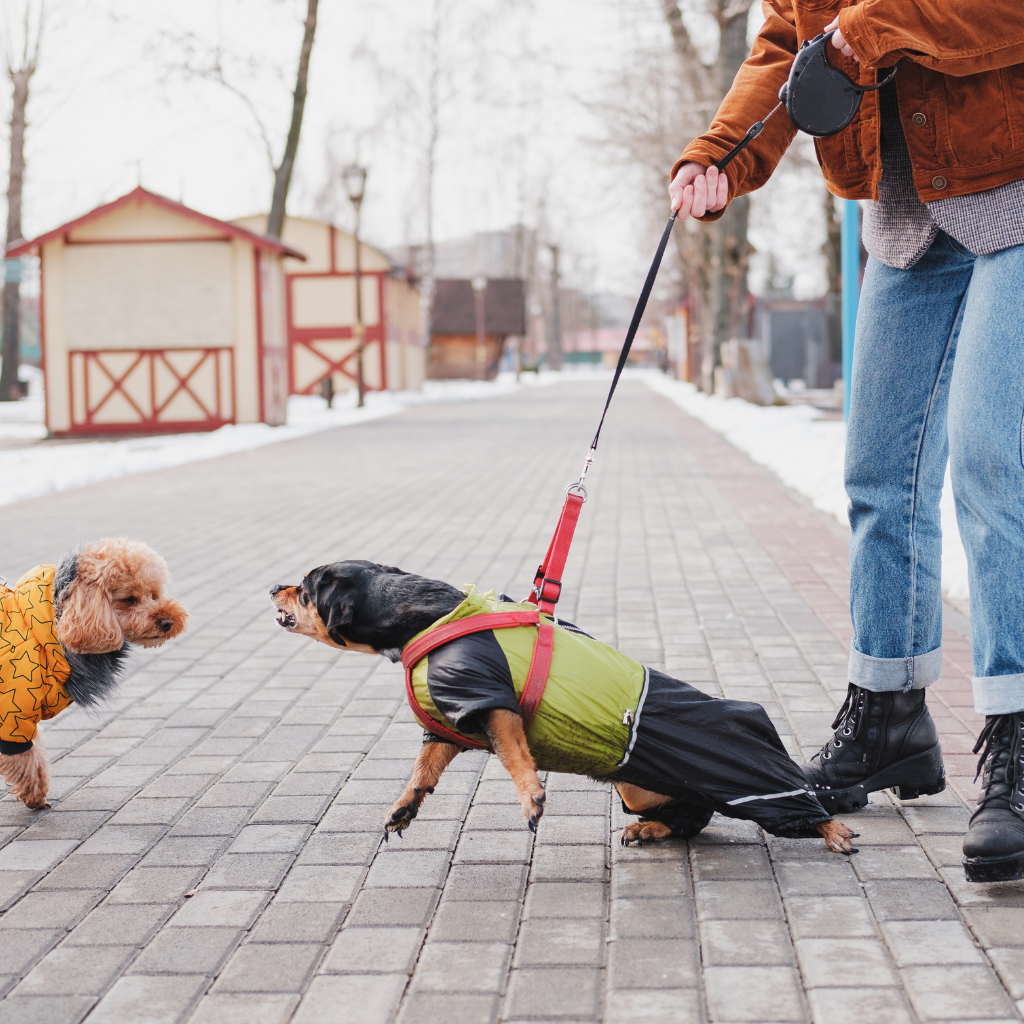
Dreading walks because of how your dog reacts to other dogs?
Does your dog:
- Bark, lunge or growl at other dogs or people on walks
- Freeze, stare or pull hard towards other dogs
- Make you cross the road, walk at odd hours or avoid walks altogether
If so, please know your dog isn’t “bad” and you’re not a bad owner. Reactivity is very common, and with the right help most dogs can learn to cope with the world calmly.
I’m Lauren, and I help Cork owners with reactive dogs through 1-to-1 support using kind, reward-based methods. No punishment, no jerking the lead, and no forcing your dog to face the thing that frightens them.
Not sure what’s going on with your dog? Have a free 15-minute chat with Lauren.
Why does my dog react on the lead?
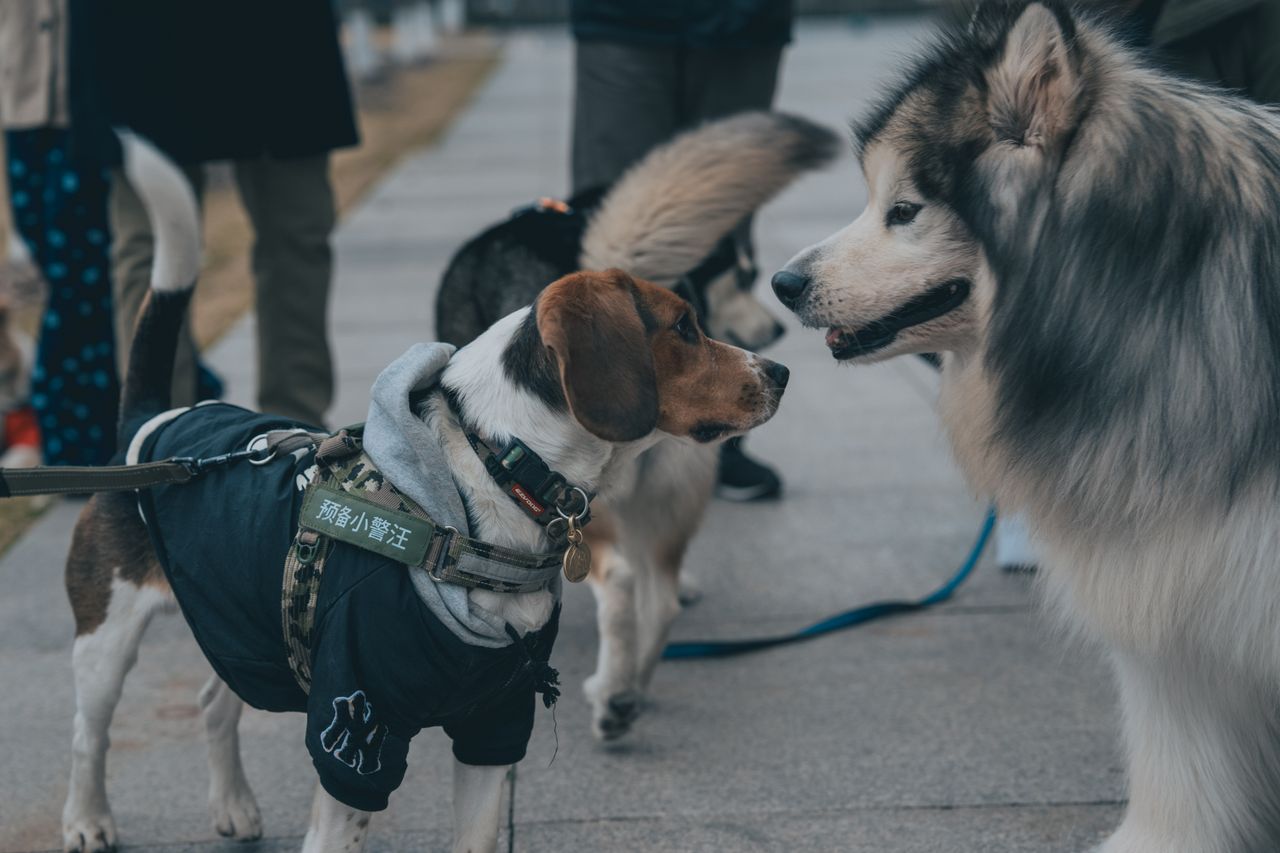
Barking and lunging looks like aggression, but it’s usually a dog who feels overwhelmed and is trying to make the other dog go away, or who is desperate to say hello and can’t. The most common reasons are:
- Fear. On a lead your dog can’t run away, so they bark and lunge to create distance instead.
- Frustration. Some dogs badly want to greet or play, and being held back on the lead builds frustration until it spills over.
- A bad experience or a lack of early socialisation. Dogs who’ve been frightened or caught off guard by another dog can learn to expect trouble.
The most common mistake is to tell your dog off or yank them away. Your dog learns that other dogs make unpleasant things happen, so next time they react sooner and harder.
Where to start: three steps you can try this week
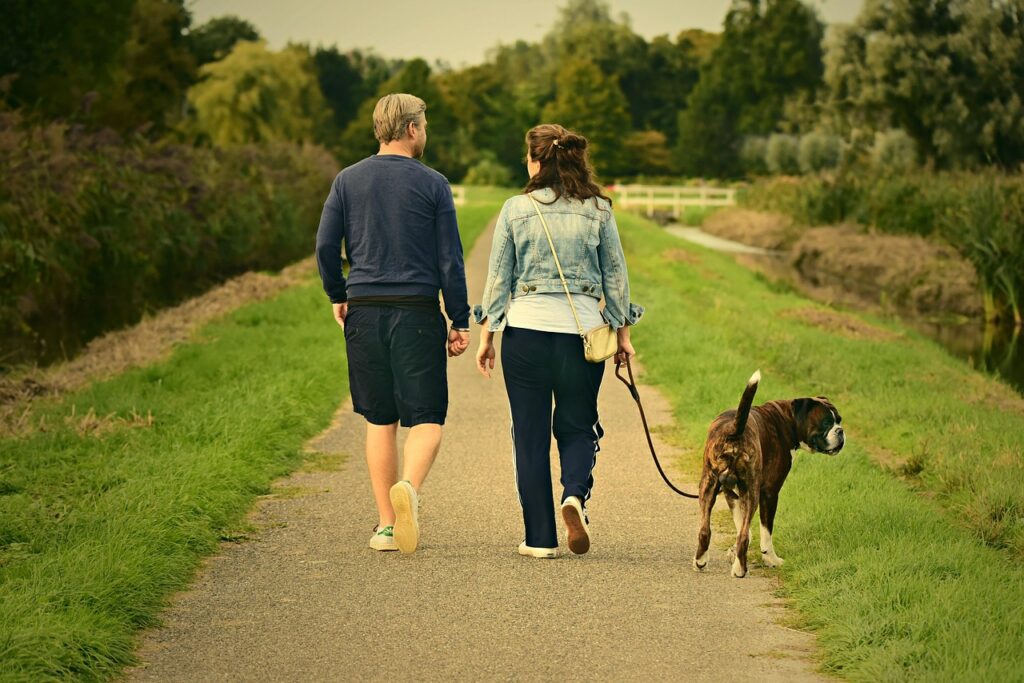
Create distance. Find the distance at which your dog can see another dog and still stay calm and take treats. Cross the road, turn around or step behind a car if you need to. Being too close is what sets the reaction off, so stay on the right side of it.
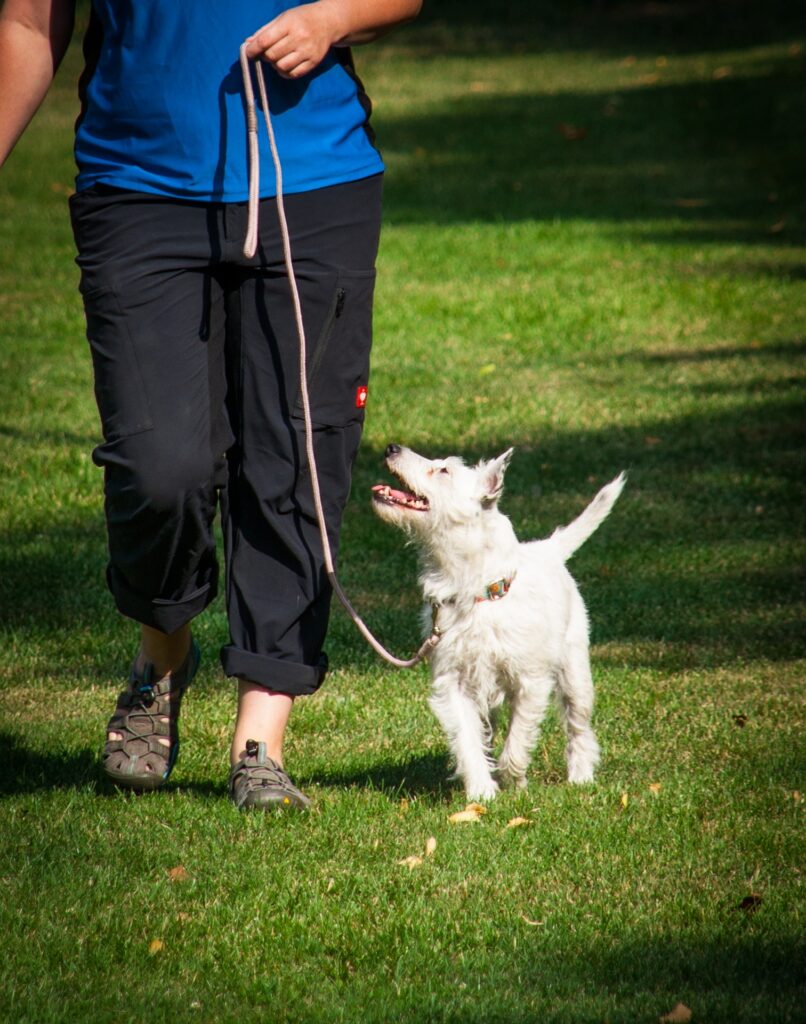
Pair other dogs with something great. When your dog notices another dog at a comfortable distance, calmly give a stream of tasty treats while the dog is in view, and stop when it’s gone. Over time your dog learns that other dogs mean good things happen.
Make walks easier. Choose quieter times and places, avoid narrow paths where you can’t move away, and don’t let other dogs run up to say hello. Use a well-fitted harness or flat collar and keep the lead loose. If you ever feel unsafe, stop and call me.
When reactivity needs more than a few tips
Get tailored help if your dog:
- has snapped, nipped or bitten
- reacts so strongly that you’re worried about holding them
- is getting worse, or you’re avoiding walks altogether
- reacts to people, children, bikes or traffic as well as dogs
This is where 1-to-1 support really makes a difference. My Behaviour Consults start with a full assessment so we can work out what’s really going on and build a plan that fits your dog. It’s also worth a vet check, because pain can make a dog much more reactive.
How I can help
Reactivity is different for every dog, so the plan is too.
- In your home and local area. We start where your dog feels safest and build up to the places that are hard.
- A plan built around your dog. I coach you as well as your dog and explain the “why”, so you can keep going on your own.
- Clear notes, support between sessions. Printed session notes and step-by-step exercises mean you always know what to practise next.
Real Results from Happy Clients

“We can’t thank Lauren enough for the incredible difference she has made with our dog. Ollie is a large dog who used to pull constantly and be very reactive on walks, going out with him would often be very stressful. After working with Lauren, he is noticeably calmer, pulls so much less, and our walks are now so much more enjoyable. We have also been practicing recall which has improved massively.
We are absolutely over the moon with his progress. Lauren is amazing at what she does and we couldn’t recommend her highly enough. Thank you, Lauren! 🐾❤️”
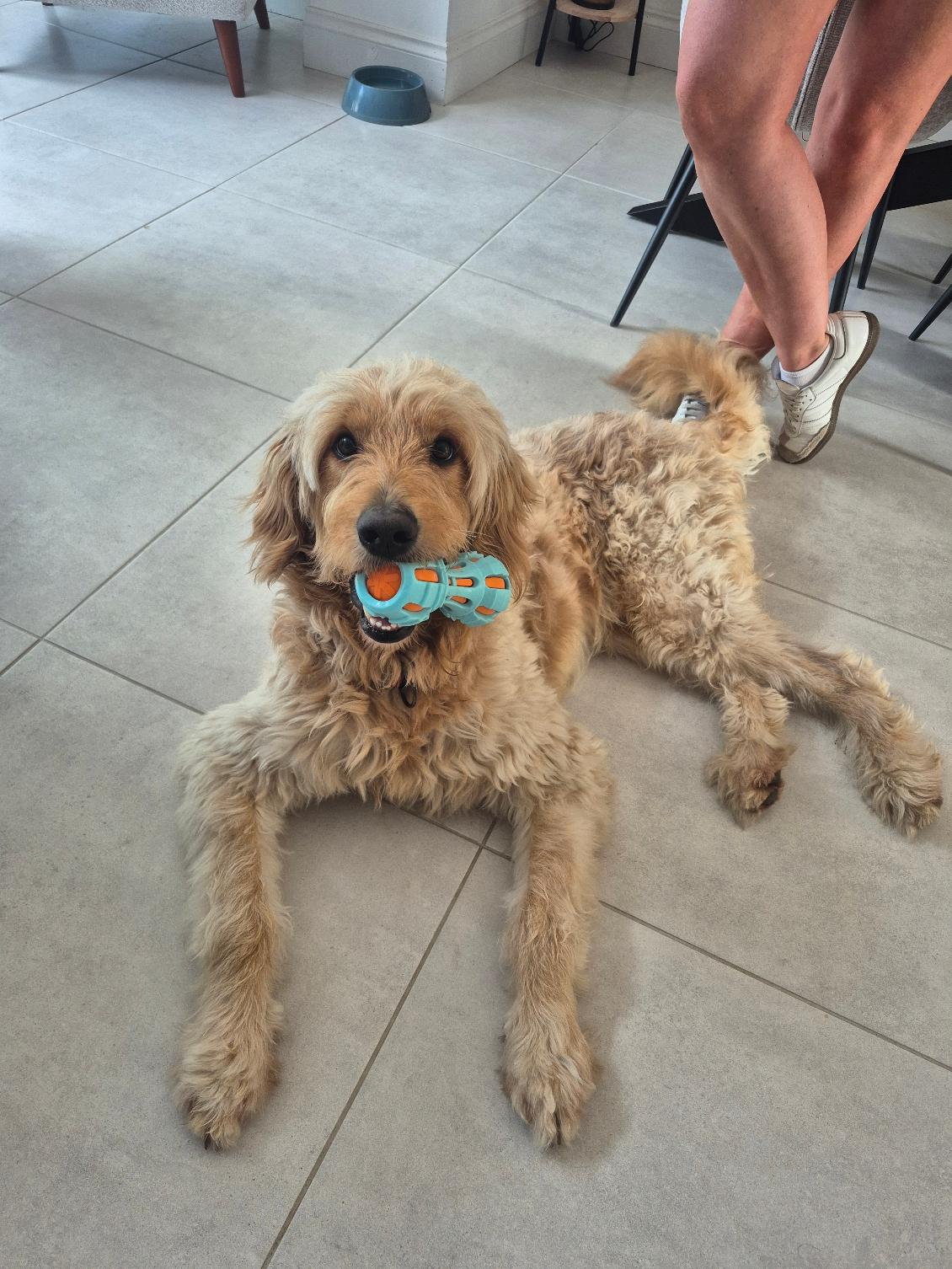
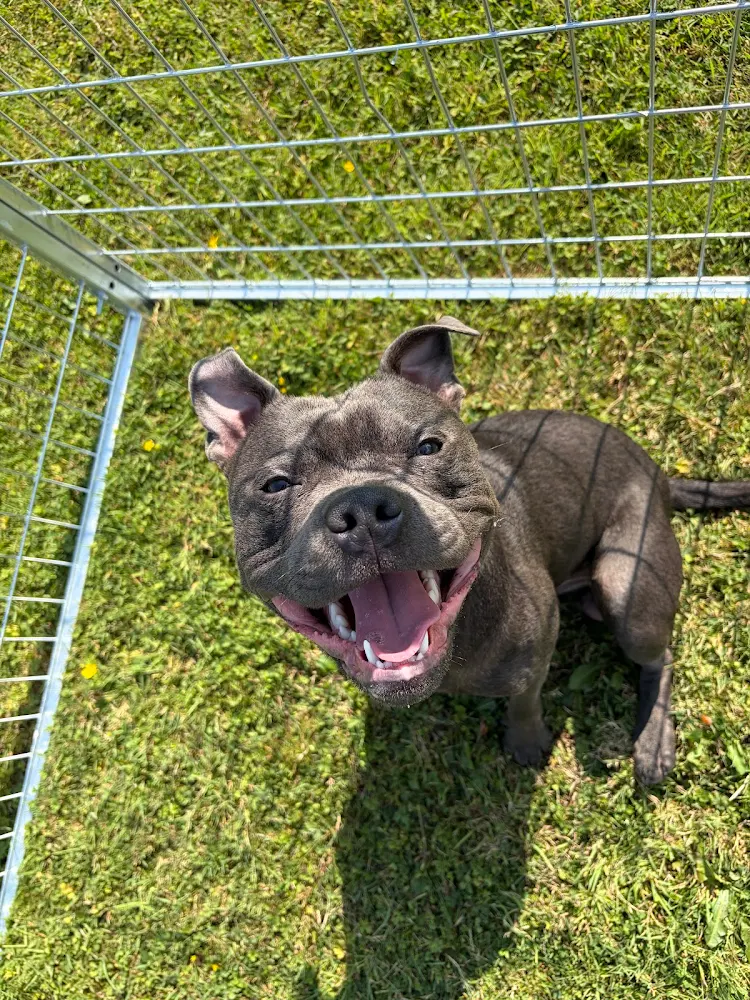
“Lauren is a very good trainer and knows her stuff! Got my Staffie Bruno to do all sort of tricks and is a lot more calmer and easier to handle! Lauren knows what shes doing and is excellent with dogs and her training routines are not only interesting for the dogs but for there owners too! I highly recommend Lauren and thank her for all her help with myself and Bruno!
Thanks Lauren”
“I would 100% recommend Lauren. She gave excellent and clear guidance for us as first time puppy owners. Her knowledge and experience is vast and I believe that we have a calm, happy dog because of her input. I really feel that the at home dog training was a great investment for us and the weekly practical aspect strengthened our bond with Millie – we really do think that she is now a super pup! We can take our puppy out with us and she is now socialable whereas when I initially contacted Lauren she was becoming reactive with other dogs.”
See our other Google Reviews
How It Works
Getting started is simple, and it begins with a chat, not a commitment.
1. Have a free 15-minute chat with Lauren
Tell her about your dog: their age, what’s going on, and what you’d like to change. No obligation.
2. Choose your course and book
Pick the Good Dog Obedience Course, or a Behaviour Consult if Lauren recommends one. Spread the cost with Klarna if you’d like, paying in three monthly instalments at checkout.
Once you book, you will have access to Lauren’s booking calendar and will be able to book in at a time and date that suits you.
3. Lauren comes to you
The one-hour sessions take place in your home. You’ll learn step-by-step exercises with your dog in the place where the real-life challenges happen.
4. Practise between sessions with support
After every session you’ll get printed notes and exercises to follow, plus support between visits (by WhatsApp) if you get stuck. You’ll always know what to work on next.
Not sure where to start?
Separation anxiety: common questions
01 How can I tell if it’s separation anxiety or just boredom?
A bored dog usually settles down once they’ve chewed or explored. A dog with separation anxiety shows distress, such as constant barking, pacing, drooling, panicking at the door or soiling, often starting soon after you leave. A recording of your dog while you’re out makes the difference much clearer.
02 How long does it take to improve?
It depends on how severe it is and how long it’s been going on. Progress is gradual and goes at your dog’s pace. Rushing makes it worse, which is why a clear plan helps.
03 What do I do in the meantime when I have to go out?
If you can, avoid leaving your dog alone beyond what they can manage while you’re working on it. A trusted friend or family member, a dog sitter or doggy day care can cover the gaps. We can plan this together.
Ready for calmer walks?
I train 1-to-1 in your home across Cork City and County. Get in touch for a free 15-minute call, tell me about your dog, and I’ll let you know how I can help.
Book your Behaviour Consult today and start building calmer goodbyes.
1-2-1 training • In your home • Tailored to your dog
Still not sure? Request a Call-back
No spam. No mailing lists. Just a callback regarding your dog. We respect your privacy and never share your details.
.