
Dog Training – Separation Anxiety
Separation Anxiety Help in Cork
Separation Anxiety Help in Cork
Dreading leaving the house because of what your dog does when you go?
Does your dog:
- Bark, howl or cry when you leave, or soon after
- Follow you from room to room and struggle when you’re out of sight
- Chew doors, scratch at windows or have accidents when left alone
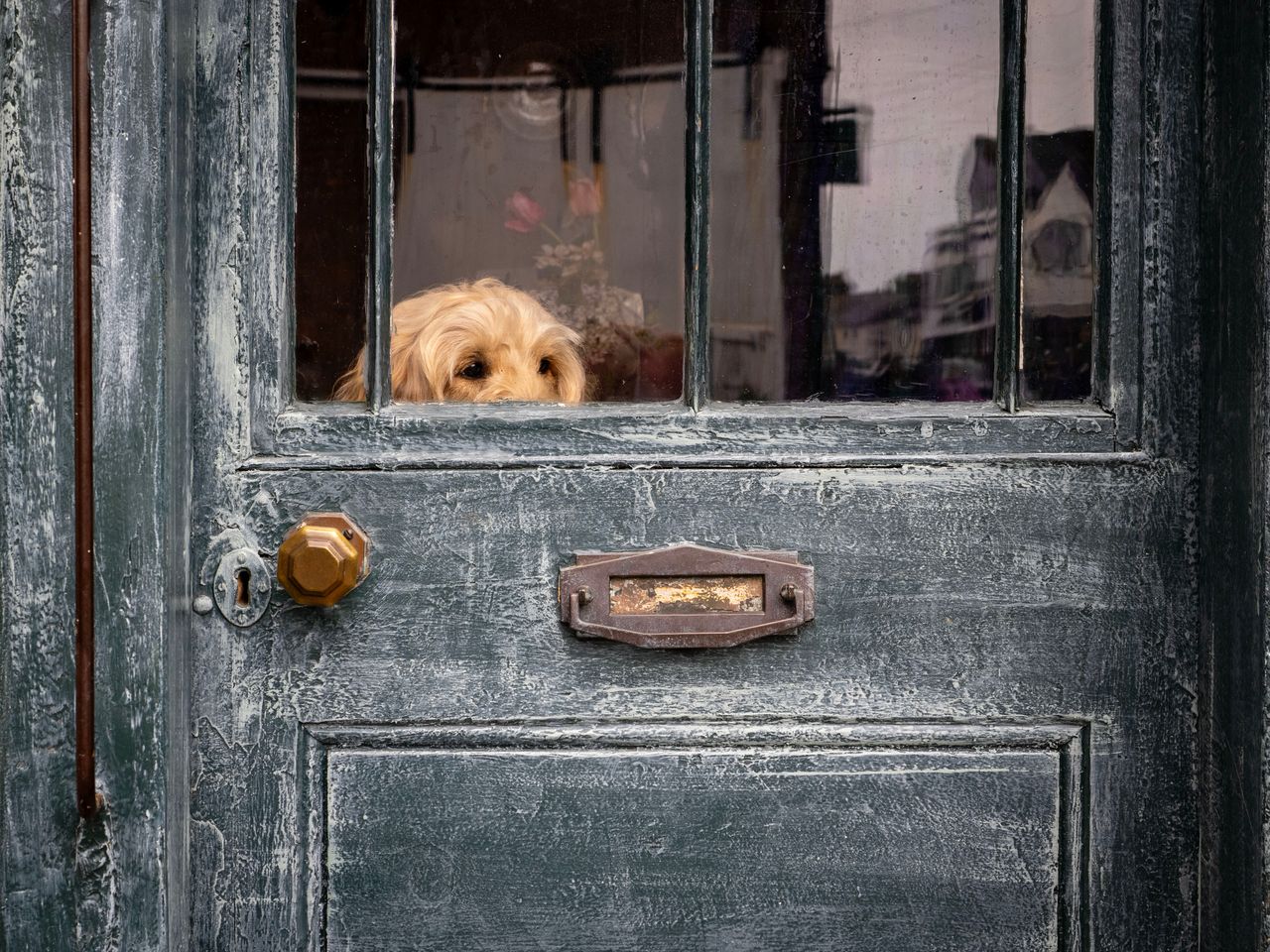
If so, please know it isn’t bad behaviour, and it isn’t your fault. A dog who panics when left alone is distressed, not naughty, and with the right help most dogs can learn to feel safe on their own.
I’m Lauren, and I help Cork owners with dogs who struggle to be left alone, through 1-to-1 support in your own home using kind, reward-based methods. No punishment, no “leaving them to cry it out”, and a plan that goes at your dog’s pace.
Not sure if this is right for your dog? Have a free 15-minute chat with Lauren.
Why does my dog struggle when I leave?
Dogs are social animals, and some find being alone genuinely frightening. A dog in this state isn’t getting revenge or being destructive on purpose. They’re panicking. The most common reasons are:
- They never learned to be alone. Being left is a skill, and some dogs, especially puppies and new rescues, haven’t been shown it’s safe.
- A change in routine. A move, a new job, a new baby or a change in who’s home can unsettle a dog who was coping before.
- Their history. Rescue dogs and dogs who’ve been rehomed may carry worries about being left behind.
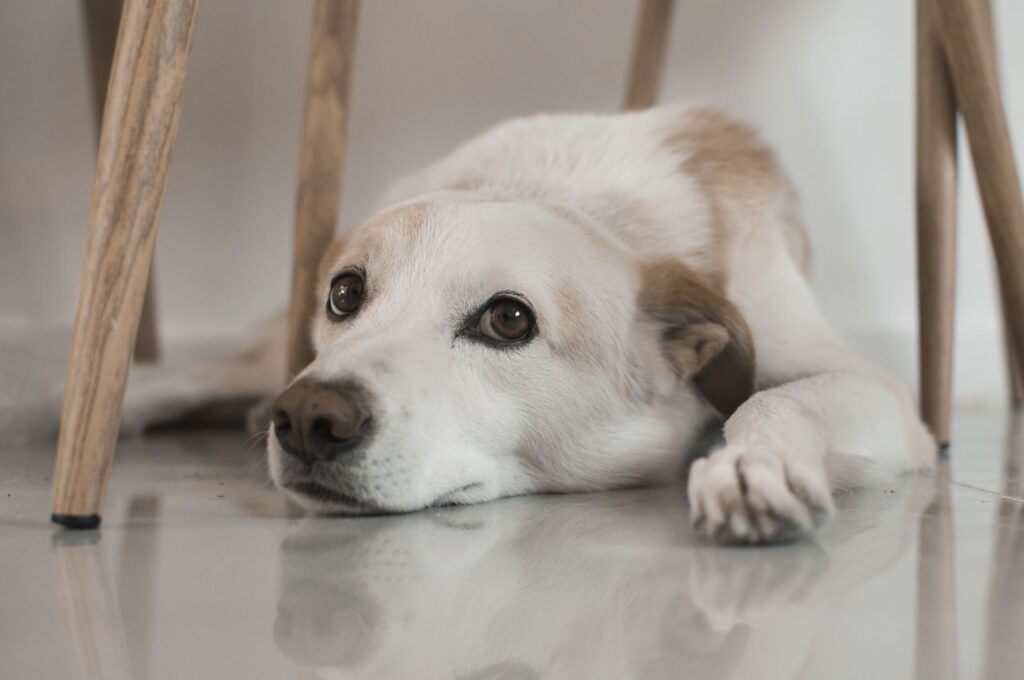
The most common mistake is to tell your dog off when you come home to a mess. Your dog can’t connect the scolding with what happened hours earlier, and it only adds to their fear of being alone.
Where to start: three steps you can try this week
Rule out other causes. Talk to your vet first. Pain, medical problems and ageing can all affect how a dog copes on their own. If your dog is hurting themselves trying to escape, call your vet straight away.
See what actually happens. Set up a phone or camera and record your dog while you’re out. Notice how soon the distress starts and how it looks (pacing, panting, whining, destroying things). It tells you how big a step your dog can manage.
Start with tiny absences. Build up calm time apart while you’re at home with a settle on a bed or mat, then step away for a few seconds, then a few minutes. Stay below the point where your dog gets worried, and go back a step if you see stress. Rushing is the thing that makes it worse.
When separation anxiety needs more than a few tips
Get tailored help if your dog:
- panics intensely or tries to escape
- won’t eat or settle when left, even for short periods
- barks for long periods or is causing problems with neighbours
This is where 1-to-1 support really makes a difference. My Behaviour Consults start with a full assessment so we can work out what’s really going on and build a plan that fits your dog. In more severe cases your vet may also recommend extra support alongside training.
How I can help
Separation problems happen in your home, so that’s where I work.
- In your home. We work in the place where the problem actually happens, so the plan fits your routine and your dog.
- A plan built around your dog. I coach you as well as your dog and explain the “why”, so you can keep going on your own.
- Clear notes, support between sessions. Printed session notes and step-by-step exercises mean you always know what to practise next.
Real Results from Happy Clients

“Let it be said from the start, we can’t recommend Lauren enough! We got a rescue dog who is amazing in so many ways, but also had some pretty tough behaviours – terrible separation anxiety, would chew up anything if left alone, pulled like mad on the leash, and had a hard time around other dogs. He clearly wanted to play, but he would get so nervous that he would frequently snap at other dogs.
From the first session, Lauren helped us make sense of everything. She connected the dots between his behaviour and what we were doing (or not doing!) and gave us clear, easy-to-follow guidance. She was always patient, made sure we understood what we were doing, and helped us get it right.
What we loved was how fun she made the training. She gave us games and exercises that not only worked, but also helped us bond more with our dog. The difference in him now is like night and day.
If you’re having a hard time with your dog, go to Lauren. She’s brilliant!”
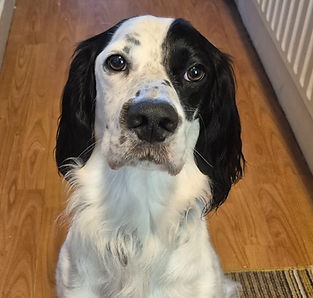
“Lauren trained my Dad’s dog. His dog is a rescue and had a hard start. Lauren called to my Dad’s house for 6 sessions. She was always very prompt. Lauren was also very patient with both us and the dog and explained what she was doing and why. She really helped us to train Holly. She also gave us so many useful tips to carry on training Holly ourselves. On the last day of training, Lauren told us that we could contact her any time we needed to in the future. Myself, my Dad and of course, Holly, can’t recommend Lauren enough.”
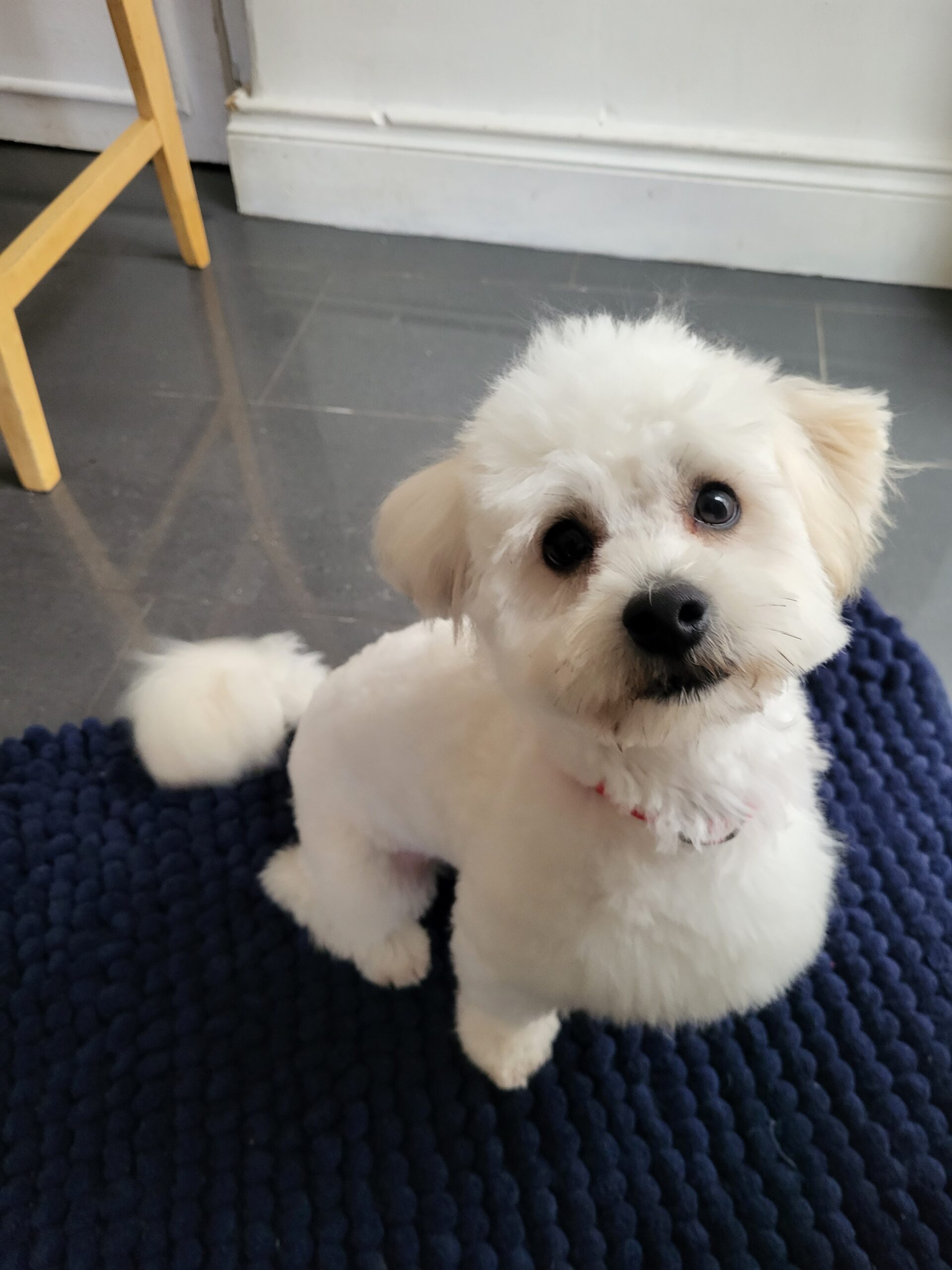
“Highly recommend Lauren as a dog trainer she’s amazing at what she does she has helped us so much with our little dog loki….the improvements we have made so far with her help is amazing.im enjoying learning from her to help loki be a calm and secure dog as opposed to the very anxious little dog he was.”
See our other Google Reviews
How It Works
Getting started is simple, and it begins with a chat, not a commitment.
1. Have a free 15-minute chat with Lauren
Tell her about your dog: their age, what’s going on, and what you’d like to change. No obligation.
2. Choose your course and book
Pick the Good Dog Obedience Course, or a Behaviour Consult if Lauren recommends one. Spread the cost with Klarna if you’d like, paying in three monthly instalments at checkout.
Once you book, you will have access to Lauren’s booking calendar and will be able to book in at a time and date that suits you.
3. Lauren comes to you
The one-hour sessions take place in your home. You’ll learn step-by-step exercises with your dog in the place where the real-life challenges happen.
4. Practise between sessions with support
After every session you’ll get printed notes and exercises to follow, plus support between visits (by WhatsApp) if you get stuck. You’ll always know what to work on next.
Not sure where to start?
Separation anxiety: common questions
01 How can I tell if it’s separation anxiety or just boredom?
A bored dog usually settles down once they’ve chewed or explored. A dog with separation anxiety shows distress, such as constant barking, pacing, drooling, panicking at the door or soiling, often starting soon after you leave. A recording of your dog while you’re out makes the difference much clearer.
02 How long does it take to improve?
It depends on how severe it is and how long it’s been going on. Progress is gradual and goes at your dog’s pace. Rushing makes it worse, which is why a clear plan helps.
03 What do I do in the meantime when I have to go out?
If you can, avoid leaving your dog alone beyond what they can manage while you’re working on it. A trusted friend or family member, a dog sitter or doggy day care can cover the gaps. We can plan this together.
Ready for calmer goodbyes?
I train 1-to-1 in your home across Cork City and County. Get in touch for a free 15-minute call, tell me about your dog, and I’ll let you know how I can help.
Book your Behaviour Consult today and start building calmer goodbyes.
1-2-1 training • In your home • Tailored to your dog

Still not sure? Request a Call-back
No spam. No mailing lists. Just a callback regarding your dog. We respect your privacy and never share your details.
.