
Managing Puppy Biting: Why It Happens and What Actually Helps
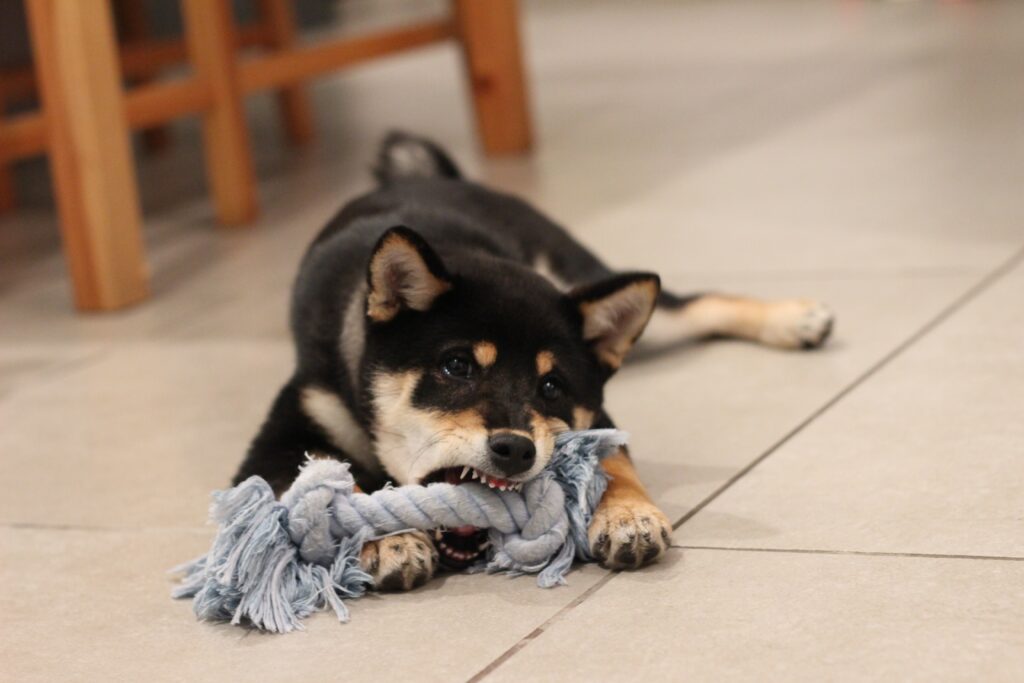
If your puppy bites your hands, ankles, clothes, or face, you’re not doing anything wrong—and your puppy isn’t being aggressive.
Puppy biting is normal, expected, and temporary. That doesn’t mean you have to live with it, but it does mean the solution isn’t punishment or constant corrections.
Let’s look at why puppies bite, and how to reduce it in a way that supports learning, calmness, and good behaviour long-term.
Why Do Puppies Bite So Much?
Puppies use their mouths to:
Explore the world
Biting often increases when puppies are:
Overtired
Understanding the reason behind the biting is key to managing it.
The Most Important Thing to Know
Puppies don’t yet have:
Impulse control
These skills are learned over time, not trained in a single session.
Your job isn’t to stop all biting instantly—it’s to guide your puppy toward better choices.
Management First: Preventing Biting Before It Starts
Management reduces how often biting happens, which makes learning easier.
Naps, naps, naps!
Many biting episodes are actually a sign of tiredness.
Puppies need:
Frequent naps
An overtired puppy is a bitey puppy.
Use Enrichment Strategically
Calm enrichment helps puppies regulate themselves.
Best options include:
Stuffed Kongs
These provide safe outlets for chewing and licking, reducing the urge to bite hands and clothes. These are great to use when pups are overstimulated and you struggle to calm them down.
Teaching Puppies What To Bite
Puppies need clear, consistent alternatives.
Keep chew options:
Within reach
When biting starts:
Pause interaction
No yelling, no rough handling—calm redirection works best.
What About Saying “Ouch”?
This works for some puppies and escalates others.
If “ouch”:
Makes biting softer → fine to use
Watch your puppy, not generic advice.
When to Step Away
If biting continues:
Calmly remove yourself
This teaches that biting ends attention, without scaring or overwhelming the puppy.
The Role of Socialisation in Bite Inhibition
Puppies learn bite pressure through:
Appropriate play with other dogs
Well-managed socialisation helps puppies develop better mouth control—but it must be positive and not overwhelming.
Common Mistakes That Make Biting Worse
🚫 Overstimulation late in the day🚫 Rough play with hands🚫 Expecting too much self-control too soon🚫 Punishing normal puppy behaviour
Progress isn’t linear—expect ups and downs.
When Does Puppy Biting Improve?
Most puppies:
Starts improving around 5 months
If biting feels extreme, support can help—but for most puppies, this phase does pass.
A Reassuring Final Thought
Puppy biting is frustrating, painful, and often overwhelming—but it’s also a normal developmental stage.
With:
Good management
your puppy will learn how to use their mouth appropriately.
If you’re struggling or feeling stuck, Planet Pup is always happy to help 💚🐾Sometimes a small adjustment makes a big difference.
Ready to see real change in your dog?
Book a free 15-minute call – no commitment, just a conversation about your dog.
No spam. No mailing lists. Just a callback regarding your dog. We respect your privacy and never share your details. You should hear back from us within 24 hours.