
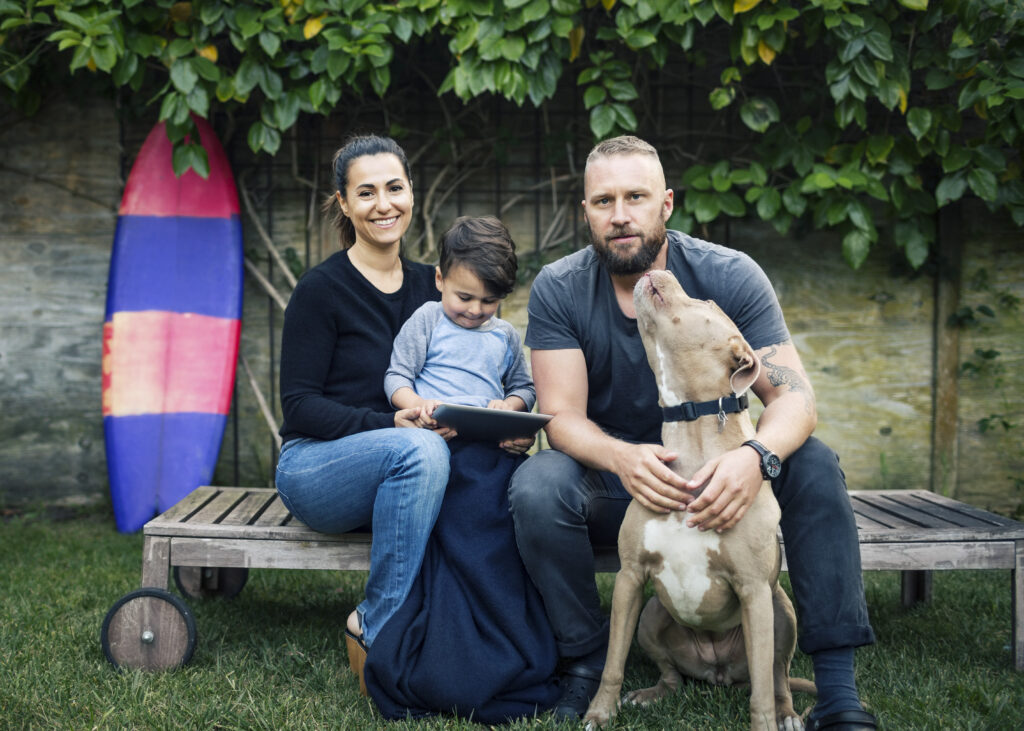
For many, a dog is more than just a pet; they’re a loving member of the family. However, much like any long-term relationship, compatibility matters. When it comes to choosing the perfect canine companion, selecting the right breed for your family’s unique dynamics is paramount. The breed characteristics outlined in this Blog Post are characteristics that are commonly expressed in the breed, but please note that every dog is an individual, and there may be some exceptions to the rule. Let’s explore why making the right choice is so critical.
Understanding Breed Characteristics
Every dog breed boasts a distinct set of characteristics, temperaments, and needs. Historically, breeds were cultivated with specific purposes in mind, be it herding, hunting, guarding, or companionship. What these dogs were bred for plays a vital role in the dog’s behaviour, energy levels, and adaptability. I have added a few examples below of why breed and even breed groups matter.
A Malinois, for example, is going to be bitey. These dogs love using their teeth, and the Military put this to good use. This often intensifies around a year, when they become teenagers.
Choosing the Right Energy
The first thing that you need to look at is what kind of Energy Levels would suit your family.
An Australian Shepherd is a beautiful dog, for example, but they are exceptionally high-energy and become disruptive and destructive if these needs aren’t met.
Aligning your family’s energy with that of your furry friend ensures that neither party feels overwhelmed or neglected. A highly active breed, such as a Border Collie or Labrador Retriever, might be best suited for families with an energetic lifestyle, while a Bichon Frise or Shih Tzu might be more compatible with apartment living and shorter walks.
Space Considerations
Although the size of the dog is important, it is more important that the space available to the dog aligns well to their energy levels. While many large breeds are surprisingly adaptable to apartment living (provided they get adequate exercise), they do need more space to move around. On the other hand, although small breeds may be compact, they may also have higher energy levels that require rigorous exercise routines in small spaces.
Kids in the Mix
Children and dogs often forge deep bonds, but not every breed is naturally child-friendly. Some dogs are more tolerant and patient with the energy and noise levels of children, while others might be better suited for homes with older children or adults only.
Generally, dogs in the retriever group are a good choice with children, as they have been bred to have soft mouths, although these dogs do tend to have higher energy levels. Dogs like German Shepherds and Staffordshire Terriers, who forge deep bonds with their families, can also make amazing choices for families with kids.
Allergies, Grooming, and Health Needs
Some dogs, like the Doodles and Bichon Frise, require extensive grooming routines, while others, like the Vizla and Labrado,r are low-maintenance. Some dogs, like Collies, Samoyeds, and German Shepherds,s
Lifestyle and Training Needs
If you travel frequently or have long working hours, breeds known for their independence might be a good fit. Conversely, some dogs crave companionship and might suffer from separation anxiety.
Longevity and Commitment
Different breeds have varying lifespans. While a smaller breed might be around for 15-20 years, larger breeds often have shorter lifespans, with breeds like Great Danes often only living around 6 years. It’s essential to consider the long-term commitment you’re making.
Working Line vs Show Line
Most working breeds of dogs tend to have a working line and show line. These different lines come from generations of breeding the same breed for different purposes.
Working line dogs are bred to complete the job that they were bred for in the best way possible, while not putting their main focus on adhering to the breed standard on how the dog is meant to look. These dogs are bred for function rather than form and tend to be higher energy with high drive. Working line Labradors and Spaniels, for example, still go hunting with their owners and retrieve birds. Working Line German Shepherds are bred to compete in high-level sports. Working line Border Collies herd sheep and cattle on farms around the world.
In Conclusion
While it’s easy to fall in love with a particular look or breed reputation, the key to a successful and harmonious relationship with your new pet lies in the research and understanding of the breed’s needs and characteristics. When a dog’s natural tendencies align with a family’s lifestyle, it ensures a loving and fulfilling relationship for years to come. Before you make a decision, spend time with the breed, talk to breeders, and consult with other owners to gain a comprehensive understanding. Remember, it’s a long-term commitment that goes beyond the initial cuddles and cute antics and physical appearance that first draws you in.
If you’re based in Cork and want hands-on guidance, explore:
• Puppy Training Classes
• Obedience Training
• Behaviour Consultations
Ready to see real change in your dog?
Book a free 15-minute call – no commitment, just a conversation about your dog.
No spam. No mailing lists. Just a callback regarding your dog. We respect your privacy and never share your details. You should hear back from us within 24 hours.